
The Nikkei Markit India Manufacturing Purchasing Managers' Index increased to 50.7 in February

New businesses have been secured from the public and private sectors, as well as domestic and international markets.

The Nikkei India Services Purchasing Managers' Index (PMI), which tracks services sector firms on a monthly basis, stood at 48.7 in January, as against 46.8 in December 2016.

Reflecting a loss of "growth momentum", manufacturing activities in the country slowed down to a six-month low in March amid softer increases in new orders, production and employment, according to a survey.

The Nikkei Markit India Manufacturing Purchasing Managers' Index (PMI) -- a gauge of manufacturing performance -- fell to 52.3, down from October's 22-month high of 54.4.

Marking its quickest rise in over seven years, India's services sector activity expanded for the fifth successive month in February, tracking spike in business orders, renewed export demand and strengthening business confidence, a monthly survey showed on Wednesday. The IHS Markit India Services Business Activity Index rose from 55.5 in January to 57.5 in February. This is the fastest expansion in services output since January 2013.

A reading above 50 denotes expansion while one below means contraction.

According to the IHS Markit India Business Outlook, predictions of softer activity growth underpin the downward revisions of profit outlook, subdued hiring plans and relatively muted capital expenditure.

This is the 22nd consecutive month that the manufacturing PMI has remained above the 50-point mark.

Service providers' confidence with regard to the 12-month outlook for business activity remained positive.

The Nikkei Markit India Manufacturing Purchasing Managers' Index (PMI) -- an indicator of manufacturing activity -- declined from 52.5 in April to a three-month low of 51.6 in May.
A reading above 50 indicates expansion while a one below this level means contraction.

The main factors contributing to the above-50.0 PMI reading were growth of both new orders and output as market conditions returned to normal and led to subsequent improvement in demand.

The Nikkei India Manufacturing Purchasing Managers' Index (PMI) stood at 47.9 in July, down from 50.9 in June, its lowest mark since February 2009, and highlighted the first deterioration in business conditions in 2017 so far.
The Nikkei India Services Purchasing Managers' Index, which tracks services sector companies on a monthly basis, stood at 52 in September, down from August's 43-month high of 54.7, pointing to a slower and moderate rate of expansion.
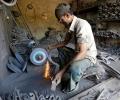
Supported by greater demand from both domestic and external markets, total new business rose at the fastest pace since March

A reading below 50 means contraction in the sector.

Sluggish rise in new business inflows and a cautious approach to costs reportedly led Indian manufacturers to shed jobs in September.

The survey noted that advertising campaigns supported the increase in new work growth in the sector amid competitive pressures.

During March, the rate of inflation slowed to the weakest in four months and was below the long-run survey average
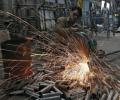
Manufacturing growth in India lost momentum in February.

The services sector had slipped into contraction in July as confusion caused by the GST rollout triggered a dip in new business orders.
The Nikkei India Services PMI posted above the critical 50.0 level, which separates growth from contraction, for the fourth month running in May.

Companies are also worried about inflationary pressures building up.

Factory growth picked up in May.

With factory production, activities across the private sector saw the biggest drop in over three years
Currency scarcity weighed on manufacturing performance where growth of new work flows slowed
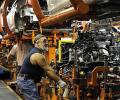
Regarding employment, the manufacturing sector hiring remained broadly unchanged.

A reading below 50 means contraction in the sector.

A reading above 50 indicates expansion, while a score below this mark means contraction
The index went below the crucial 50 mark.
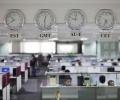
Manufacturing production growth eased in May, which combined with the slowdown in services resulted in a weaker increase in private sector output, the survey said.

The Nikkei India Services Purchasing Managers' Index, which tracks the services sector firms on a monthly basis, stood at 50.3 in February, up from 48.7 registered in January.

On the employment front, services employment was unchanged in April.
.jpg)
The subdued labour market is likely to recover.

Input prices rose at their fastest rate in 14 months but manufacturers absorbed much of the increase
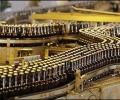
A reading above 50 means the sector is expanding, while a reading below 50 means contraction.

The Reserve Bank of India is expected to keep policy unchanged this week as it looks to control inflation.
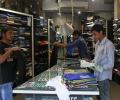
The improvement in business conditions promoted job creation, while confidence towards the year-ahead outlook for activity was at a four-month high during March.

The HSBC Services Purchasing Managers' Index eased to 53.0 in March from February's eight-month high of 53.9.
